
Diversification. Opportunity. Success.
U.S. investors in Canadian real estate, particularly in a desirable location like Whistler, can take advantage of a variety of tax and legal benefits provided by the U.S.-Canada Tax Treaty. These benefits can help reduce tax liabilities, provide deductions, and offer estate planning advantages. Navigating the legal and financial landscape of cross-border property ownership is crucial, but with the right guidance, U.S. investors can maximize their returns while minimizing tax exposure.
Frequently Asked
Questions
| Can US citizens legally buy property in Whistler? | Does Whistler have a Foreign Buyer Tax? | Will I be taxed twice on rental income (US and Canada)? |
| Yes. Whistler is exempt from Canada’s two-year federal Foreign Buyer Ban, allowing non-Canadians to purchase residential property here. | No. Whistler is outside the areas of BC that apply the Provincial 20% Additional Property Transfer Tax (APTT) on foreign buyers. | No. The Canada-USA Tax Treaty allows you to claim a foreign tax credit on your US return for taxes paid to Canada, avoiding double taxation. |
| What is the difference between Phase 1 and Phase 2 zoning? | Can I get a mortgage from a US bank for a Whistler home? | What is the Underused Housing Tax (UHT)? |
| Phase 1 properties allow unlimited owner use and nightly rentals. Phase 2 properties are hotel-condos with use strictly limited to 28 days in winter and 28 days in summer. | No. Mortgages for Canadian property must be issued by a Canadian lender. Non-residents generally require a larger down payment (e.g., 35-50%). | The Canadian government proposed eliminating the UHT for calendar years 2025 onward, meaning owners may not need to file or pay UHT after 2024 if the legislative changes pass. However, obligations for 2022–2024 still stand, and you must remain compliant for those years. |
Our Latest News and Updates
-

•
Whistler is exempt from foreign buyer ban
Whistler is exempt from Canada’s federal foreign buyer ban (extended through January 1, 2027), allowing non-Canadians to purchase residential property…
-
•
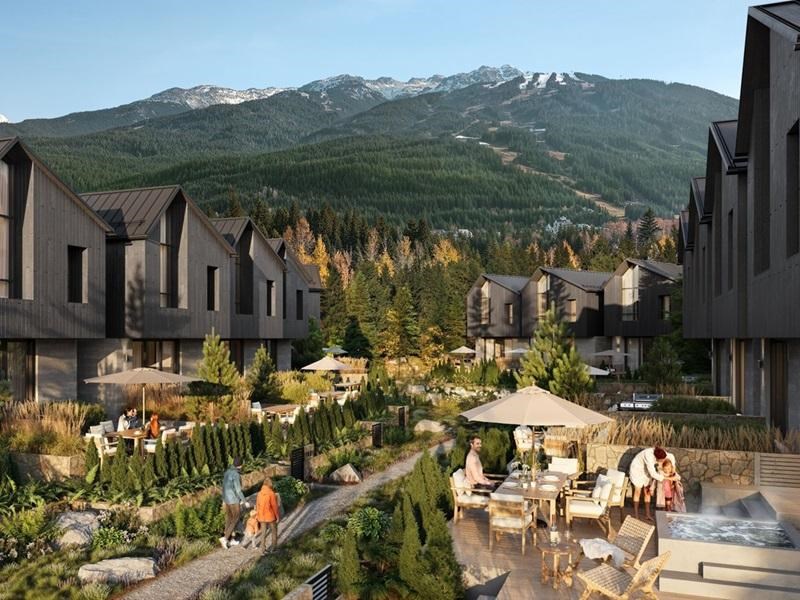
Beedie aims for spring rezoning submission on Whistler’s Northlands site
Developer signals early 2027 as target for shovels in the ground; 70-unit employee housing, location of multi-use rec facility under…
-